The lost landscape
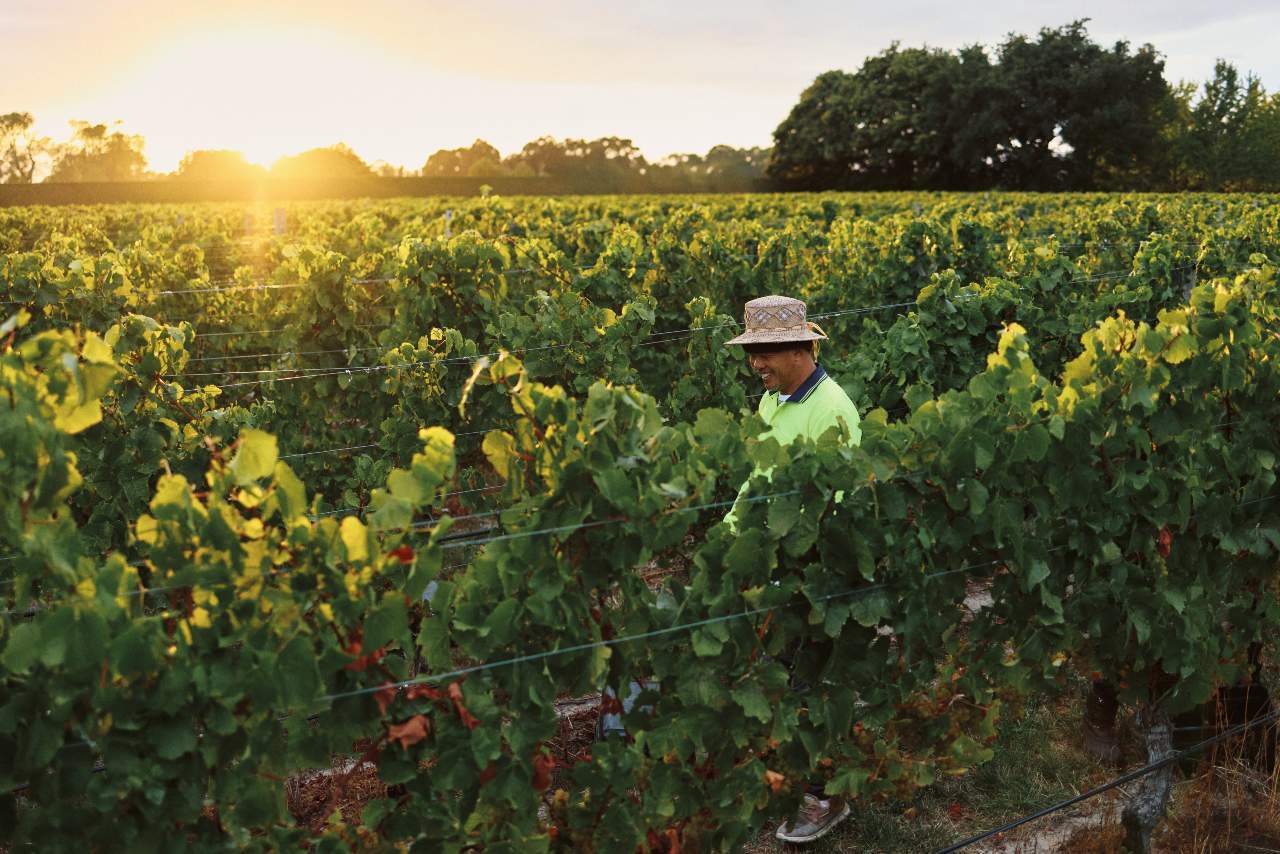
When Europeans arrived in Marlborough and cleared the land for farming, the area lost native habitat and biodiversity. Bush, birdlife, insects and lizards disappeared as the valley opened up for agriculture and, later, viticulture. We're conscious that we're farming land that was once part of that now-lost ancient landscape.
“Over a hundred years ago, this place would have been covered in native forests,” says Alisson Hassler, Technical Viticulture Assistant. “We’re just trying to do our part to regenerate that and bring some of the native plants back around the vineyards.”
Native planting is the most direct way we can restore some of it. It's not quick, but every season we plant more, and over time more native habitat takes root around our vineyards. We focus on the areas between vineyard blocks, along waterways, or on land that isn't suited to vines and might otherwise be left to grass.
Everything in its right place
Successful native habitat restoration is a bit more complex than just planting any native greenery. We work with Selmes Garden Charitable Trust, a local nursery in Blenheim, to source seed and seedlings from species endemic to this valley, rather than bringing in plants from further afield.
Xander Kingma, Selme’s Nursery Manager, explains it best: "Plants from this valley establish faster, need less input, and support the right insects and birdlife. It's about re-planting endemic species in the right place, so the habitat stitches back naturally."
Getting our hands dirty
Native planting also means a lot of the Cloudy Bay team gets out and into the landscape on planting days.
"It's practical, as much as it is beautiful," says Hannah Ternent, our technical viticulturist. "Planting trees isn't just good for biodiversity. It brings everyone together, everyone's getting their hands in the soil, they're getting dirty and planting something that will be there for years to come."
The most visible return is in the wildlife. Pollinators, beneficial insects, and on some sites lizards have all become more present around the vineyards.
"Having native plantings in our vineyards feels like the ultimate final step in that biodiversity programme," says Jim White.
“By being able to plant little areas of native vegetation, we’re really bringing back that biodiversity into this landscape and providing the habitat for native species that lost their habitat.”
Or, as Hannah puts it: "It's really just building into the landscape what's always been there."