Less is more
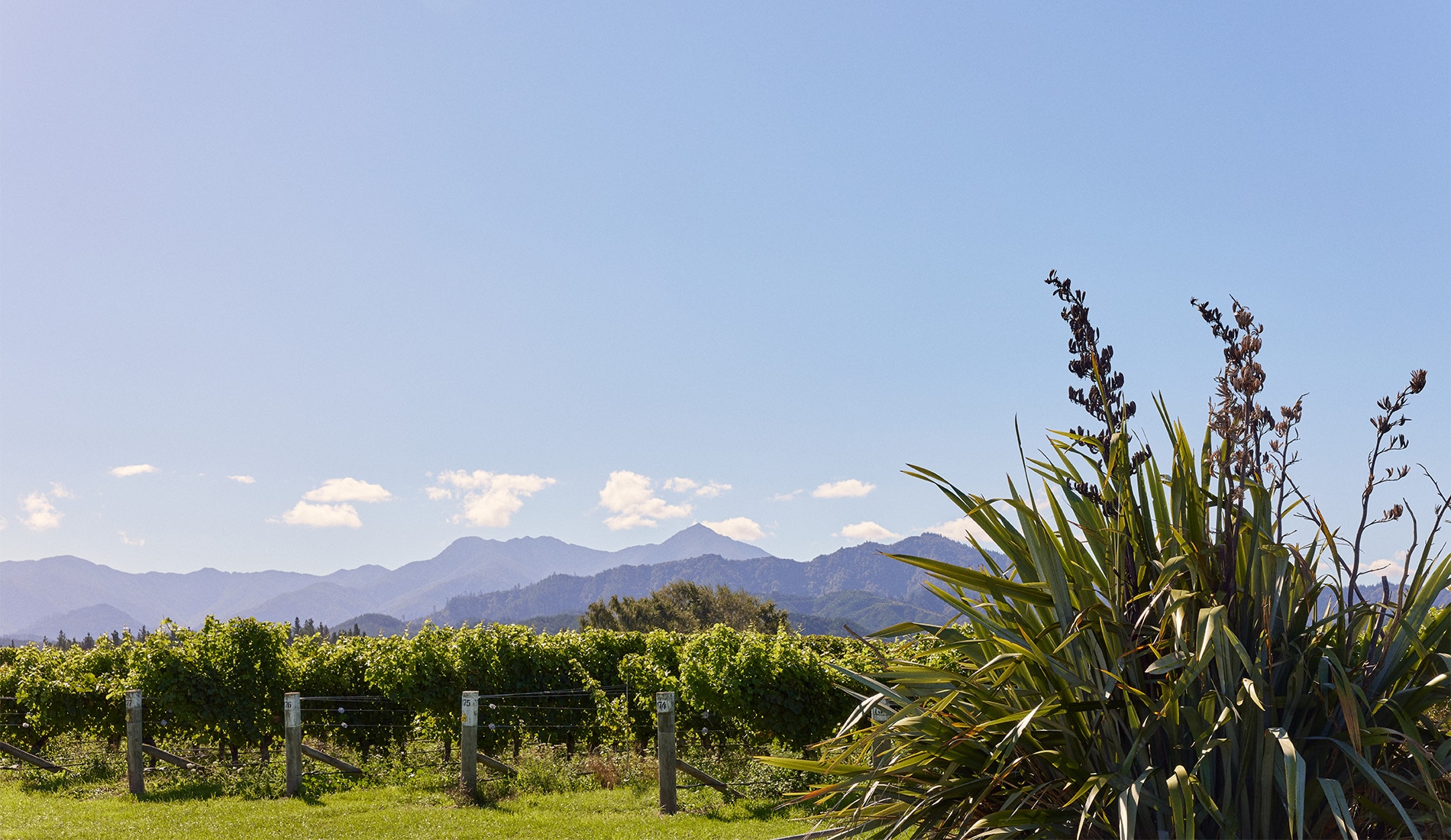
Great wine is only possible with great fruit. One of the ways we get the quality we want is by reducing the yield, so that come harvest, we're working with the very best fruit, not just everything the vine produced. Too much fruit lowers the quality of the wine, so in years when Mother Nature blesses us with abundance, we make a sacrifice: anywhere up to 20% to 30% of the potential crop, in service of the concentration and ripeness we're after.
Smaller yields also use less. Less water is needed to support a lighter crop, and the vine draws less from the soil in nutrients. That means we can reduce the amount of irrigation and inputs across the season, which matters in a region like Marlborough where summer water is precious.
Sustainable cropping levels are largely about consistency from year to year. Every season different, of course: some are warmer, some wetter, some cooler than the last, and those differences do come through in the wine. Each vintage has its own personality. But the new-release Cloudy Bay Sauvignon Blanc you buy and open today should still make the same impression as the first one you ever tried, even though the seasons that produced them were different.
Holding that signature steady, vintage after vintage, while letting each year's character speak, is one of the things sustainable cropping makes possible.
How it's done
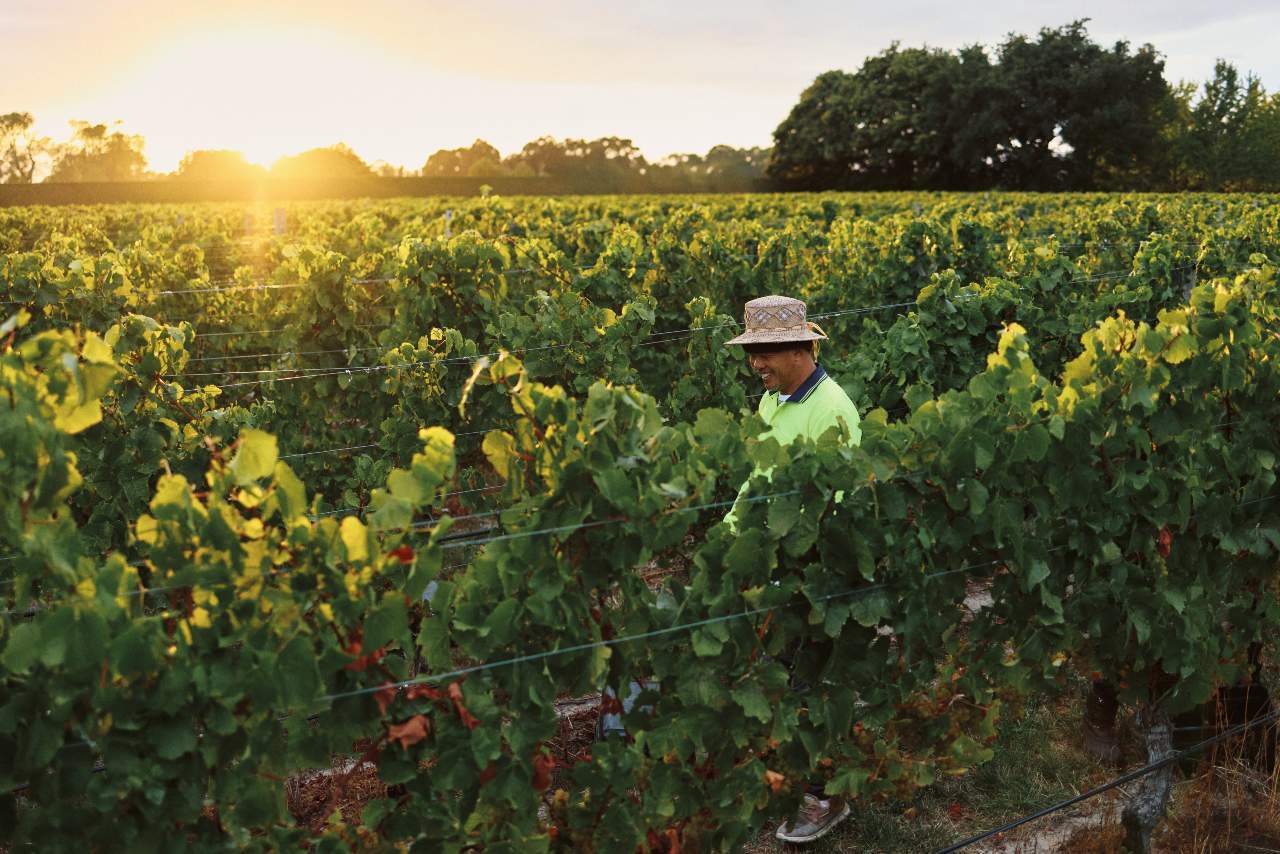
It begins in winter with pruning, where we cut away extra canes. At Cloudy Bay, we reckon three is perfect. Then, in the spring, our vineyard teams walk the rows counting inflorescences, the small clusters of flowers that will become bunches if all goes well.
After flowering, the bunches start to form, and our team goes back through to weigh them. They check again when the bunches close up, weighing the fruit carefully and dropping any that are lagging behind.
You might know the term veraison, the moment when grapes (most noticeably red grapes) change colour. That's an important stage for our Pinot Noir. We do what's called a colour thin, removing bunches that are changing colour too slowly so the vine can concentrate its nutrients into the bunches that are ripening at the right pace.
Across all that time, and many footsteps in the vineyard, a picture builds up block by block: how laden each one is likely to be, and what that means for the wine we want to make from it.
Where the team's experience and the data agree that a vine is carrying too much, it's time to get out the snippers once more and drop fruit. It's slow work, and it asks for a lot of walking. But it's also where the year's wine takes its first real shape.
Waste not, want not
The fruit doesn't go to waste. It stays in the mid-row where it falls, slowly mulching into the soil. Over weeks it breaks down, returning nutrients and feeding the cover crops we plant between the vines.
Cover crops are a big part of how we look after the soil at Cloudy Bay. They hold moisture in dry stretches, encourage worm and microbial life, and provide habitat for the beneficial insects we want around the vineyard. Dropped fruit feeding those crops creates a small, closed loop: what comes off one vine ends up nourishing the next season's growth.
Sustainable cropping doesn't sit on its own. It works alongside the cover crops between the vines, the fruit returning to the soil, and the careful water management that keeps a lighter touch through summer. Each practice supports the others.
The proof at vintage
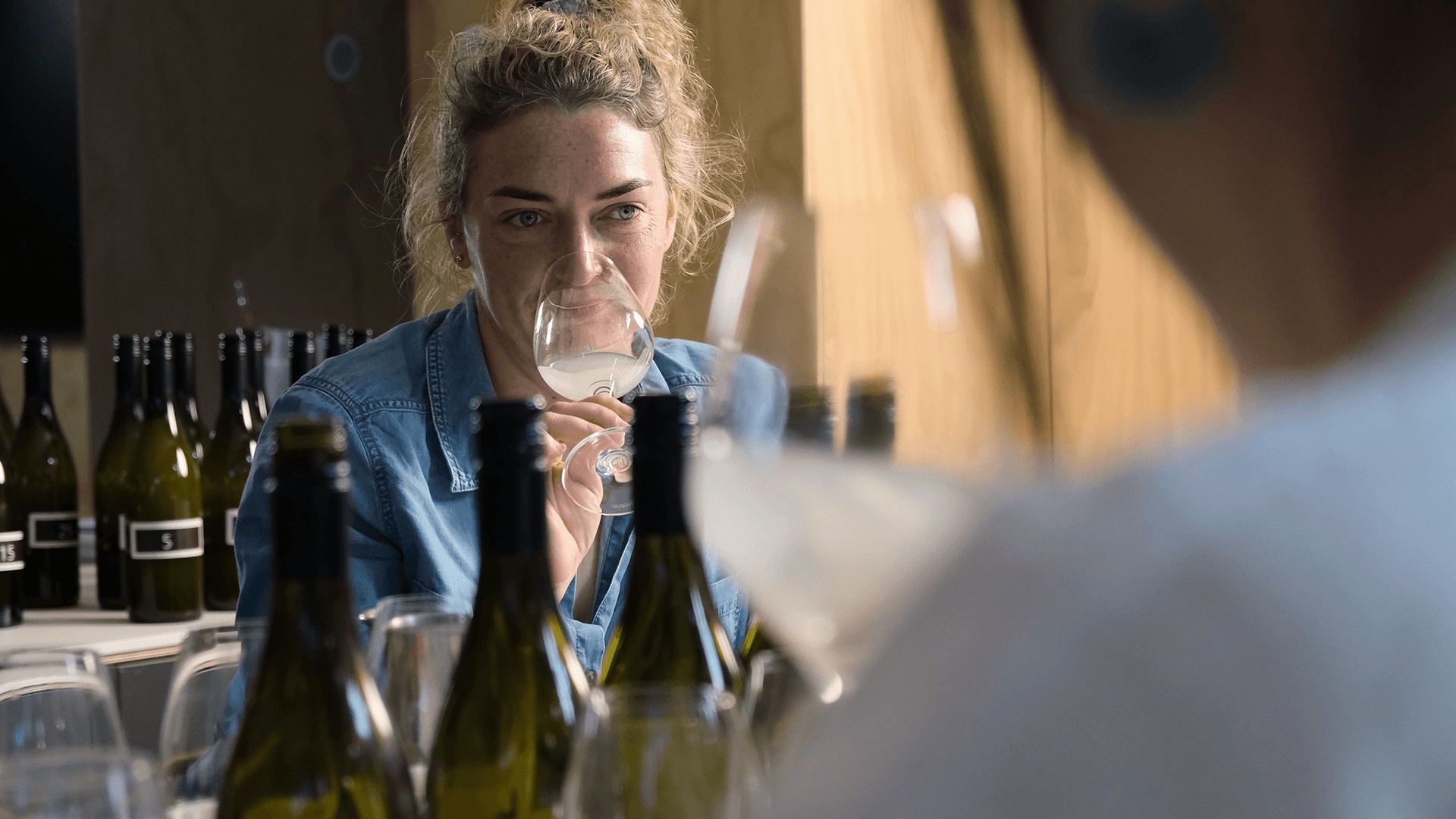
The real test of any year's cropping decisions comes at the end of vintage. Hannah Ternent, who leads our vineyard team, sits with the winemakers at the cellar to taste through the wines before blending. The wines come blind, which means no one knows which block produced which sample. Only after the tasting are the blocks, the yields, and the decisions revealed.
"One of the great joys of my job," says Hannah, "is seeing tangible results you can literally taste."